
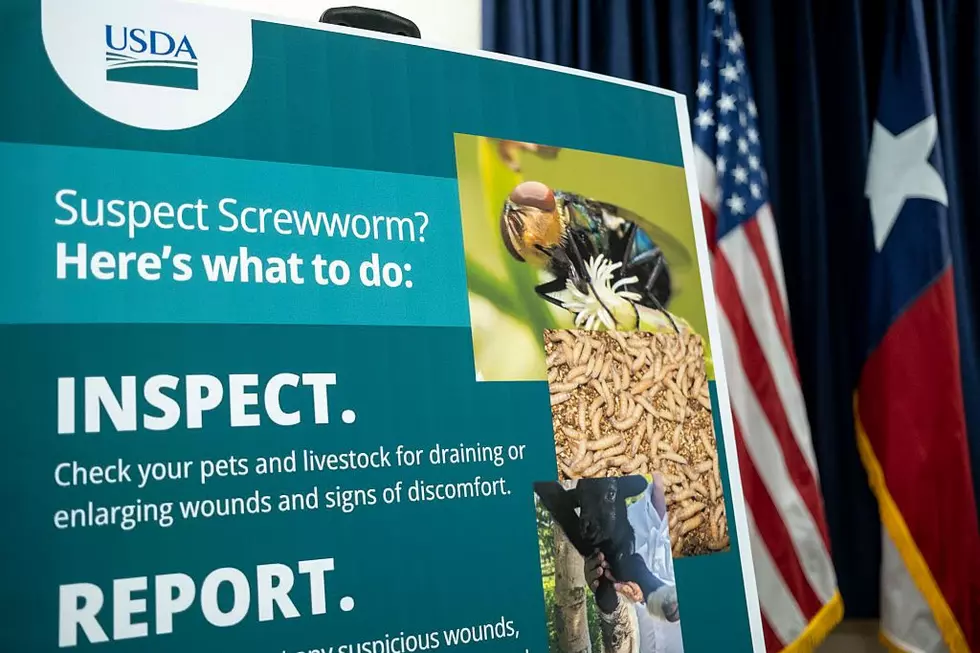
Texas Horse Diagnosed With Screwworm Parasite, First Case This Century
The New World Screwworm makes history in Texas.
Texas Imposes Equine Movement Restrictions Following Screwworm Detection
A historic parasite case in West Texas has triggered new travel restrictions for livestock across multiple parts of the state. Federal and state equine authorities confirmed this week that a working ranch horse in Presidio County was diagnosed with a New World screwworm infestation on its hind leg, marking the nation’s first confirmed case in a horse during the 21st century. The quarantine order covers portions of both Presidio and Jeff Davis counties.
Vigilance is Key
Because screwworm larvae target healthy, living tissue rather than dead flesh, livestock managers should exercise extreme caution. Owners are advised to cleanse, shield, and inspect even minor cuts or scrapes daily until they fully heal.
Understanding the Travel Restrictions
The presence of the parasite has expanded the state's broader containment strategy. According to TAHC records updated Friday, the parasite has been identified across 39 locations spread throughout 17 Texas counties. To control the spread, state officials have designated specific containment zones within 16 counties:
Bandera, Brewster, Crockett, and Edwards
Jeff Davis, Jim Hogg, Medina, and Pecos
Presidio, Schleicher, Starr, and Sutton
Terrell, Uvalde, Val Verde, and Zapata
Designated Zone Restrictions
These localized quarantines apply strictly to designated zones rather than entire counties. Under the mandate, no warm-blooded animal within a restricted zone may be transported beyond its boundaries without formal clearance from state regulators. These transit barriers apply universally, whether an animal is heading to a local ranch, an auction, a rodeo, or an equestrian event.
Steps To Obtain Travel Permission
To obtain clearance for non-slaughter travel out of a restricted area, owners must adhere to a multi-step timeline:
Schedule an Inspection: Contact a certified or regional TAHC inspector at least 48 hours prior to the planned departure.
Clinical Exam & Treatment: An authorized inspector must physically evaluate the animal within five days of travel, verify its official identification, and ensure it receives an approved systemic parasite treatment.
Documentation: The inspector will issue a formal movement permit once requirements are met. Interstate transit still mandates a standard Certificate of Veterinary Inspection.
Infected Animals Cannot Travel Outside Quarantine Areas
Animals displaying active, unhealed wounds or live larval infestations are strictly prohibited from leaving quarantine areas until they undergo proper medical treatment and achieve complete healing. Because containment boundaries shift as new orders are enacted or lifted, owners should verify specific addresses on the TAHC interactive map before planning any transport.
Symptoms
The New World screwworm threat stems from female flies depositing eggs into open skin breaks or natural body orifices. After hatching, the larvae burrow deep into healthy muscle tissue, causing expanding lesions, severe secondary bacterial infections, and potentially fatal complications if left unaddressed.
Resurgence of the Screwworm
While the USDA eradicated the parasite nationally in 1966 and successfully contained an isolated outbreak in the Florida Keys in 2017, the current regional resurgence began earlier this summer when a calf in Zavala County tested positive on June 3.
Screwworm Symptoms
Without medical intervention, a screwworm infestation can kill an animal in as little as seven days. Livestock owners should routinely evaluate their herds for the following signs:
Unexplained swelling, fluid drainage, or foul odors around wounds
Signs of localized discomfort, biting, or scratching
Visible maggots, particularly near the eyes, nose, ears, mouth, genitals, or navels of newborns
Contact Information
Any suspected infestation must be reported to health authorities within 24 hours. Owners can report potential cases by contacting their local veterinarian, reaching out to a regional TAHC office, or calling the TAHC emergency veterinary hotline directly at 1-800-550-8242.
Life Cycle Of The New World Screwworm
Gallery Credit: Rudy Fernandez
See Audrey II and The Sandworm From Beetlejuice Recreated On Timberland Drive In Lufkin, Texas
Gallery Credit: Dan Patrick


